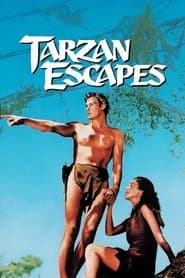
A Fuga de Tarzan
Tarzan Escapes é um filme estadunidense de 1936, dirigido por Richard Thorpe, John Farrow, James C. McKay, George B. Seitz e William A. Wellman, inspirado na série literária Tarzan de Edgar Rice Burroughs. Foi o terceiro filme da série realizada pela MGM, com Johnny Weissmuller no papel do “Rei dos Macacos”.
Where to watch
Sponsored links — ValorScore may earn a commission. This does not influence the scores.
ValorScore’s editorial reading + community reactions — not a claim that the work objectively is “woke”.
Frequently asked questions
Is "A Fuga de Tarzan" appropriate for children?
ValorScore's Content Advisory for "A Fuga de Tarzan" is "Mild" (8/100), measuring sex, violence, language, and drug use. One example of the evidence behind this reading: the editorial analysis has not yet recorded a specific citation for this axis. See the full per-axis breakdown below to decide if it fits your family.
See the per-axis breakdownDoes "A Fuga de Tarzan" have woke/ideological content?
In ValorScore's editorial reading, "A Fuga de Tarzan" has ideological presence rated "Clean". This is opinion backed by evidence, not a verdict: one cited example is the editorial analysis has not yet recorded a specific citation for this axis. The overall ValorScore (cleanliness + value + audience rating) is 87/100. See every axis and its evidence in the breakdown below.
See the per-axis breakdownScores reflect community and AI analysis as opinion with evidence — not a factual verdict.
- AI reference — unverifiedA obra retrata cenas de confrontos físicos entre personagens, ataques de animais selvagens e combates com lanças e flechas travados por uma tribo local, além da sequência em que o antagonista Capitão Fry falece em um pântano hostil, apresentando violência de aventura com baixo nível de detalhes gráficos.
Ideological reading (editorial opinion)
This is ValorScore’s editorial reading + community reactions — not a claim that the work objectively is X% woke.
- Anti-Family0.0AI Analysis · Model: IA
What does each axis mean?
Portraying the natural family or parenthood as oppressive or obsolete.
- Faith Subversion0.0AI Analysis · Model: IA
Your review
Rate only what you actually noticed — leave the rest at zero.
Attach a link or quote to back up your rating — especially for high severity.