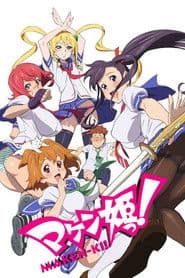
Maken-ki!
Quando Takeru Oyama se matriculou no Colégio Tenbi, ele sonhava em ser sufocado por garotas lindas, não ser derrotado por lutadores saltitantes.
Where to watch
Sponsored links — ValorScore may earn a commission. This does not influence the scores.
ValorScore’s editorial reading + community reactions — not a claim that the work objectively is “woke”.
Frequently asked questions
Is "Maken-ki!" appropriate for children?
ValorScore's Content Advisory for "Maken-ki!" is "Moderate" (33/100), measuring sex, violence, language, and drug use. One example of the evidence behind this reading: the editorial analysis has not yet recorded a specific citation for this axis. See the full per-axis breakdown below to decide if it fits your family.
See the per-axis breakdownDoes "Maken-ki!" have woke/ideological content?
In ValorScore's editorial reading, "Maken-ki!" has ideological presence rated "Clean". This is opinion backed by evidence, not a verdict: one cited example is the editorial analysis has not yet recorded a specific citation for this axis. The overall ValorScore (cleanliness + value + audience rating) is 83/100. See every axis and its evidence in the breakdown below.
See the per-axis breakdownScores reflect community and AI analysis as opinion with evidence — not a factual verdict.
- AI reference — unverifiedA obra retrata combates de ação e lutas corporais recorrentes entre os estudantes da Academia Tenbi, nos quais são utilizados poderes mágicos chamados Maken. A cena de confronto exibe impactos físicos, explosões e ferimentos superficiais leves, sem detalhamento anatômico excessivo, sangue abundante ou cenas de mutilação explícita.
- AI reference — unverifiedFemale characters frequently engage in battles that result in extensive clothing damage exposing undergarments, and the series features recurring tropes of accidental physical intimacy, hot spring fan service, and highly suggestive situations.
- A obra contém diálogos nos quais termos como 'idiota' e 'pervertido' são dirigidos aos personagens em tom de humor e repreensão.AI reference — unverifiedO diálogo da obra apresenta, de forma ocasional, o uso de termos informais de teor vulgar leve e insultos cômicos direcionados a comportamentos inapropriados, sem a ocorrência de palavrões de alta intensidade ou calúnias graves.
Ideological reading (editorial opinion)
This is ValorScore’s editorial reading + community reactions — not a claim that the work objectively is X% woke.
- Anti-Family0.0AI Analysis · Model: Gemini (IA)
What does each axis mean?
Portraying the natural family or parenthood as oppressive or obsolete.
- Faith Subversion0.0AI Analysis · Model: Gemini (IA)
Your review
Rate only what you actually noticed — leave the rest at zero.
Attach a link or quote to back up your rating — especially for high severity.