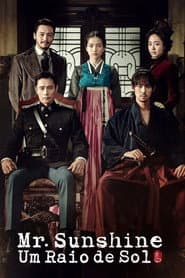
Mr. Sunshine - Um Raio de Sol
Em 1871, um jovem coreano é levado para os EUA a bordo de um navio de guerra. Anos depois, ele retorna à Coreia como soldado americano e se apaixona por uma nobre.
Where to watch
Sponsored links — ValorScore may earn a commission. This does not influence the scores.
ValorScore’s editorial reading + community reactions — not a claim that the work objectively is “woke”.
Frequently asked questions
Is "Mr. Sunshine - Um Raio de Sol" appropriate for children?
ValorScore's Content Advisory for "Mr. Sunshine - Um Raio de Sol" is "Moderate" (20/100), measuring sex, violence, language, and drug use. One example of the evidence behind this reading: the editorial analysis has not yet recorded a specific citation for this axis. See the full per-axis breakdown below to decide if it fits your family.
See the per-axis breakdownDoes "Mr. Sunshine - Um Raio de Sol" have woke/ideological content?
In ValorScore's editorial reading, "Mr. Sunshine - Um Raio de Sol" has ideological presence rated "Heavy". This is opinion backed by evidence, not a verdict: one cited example is the editorial analysis has not yet recorded a specific citation for this axis. The overall ValorScore (cleanliness + value + audience rating) is 65/100. See every axis and its evidence in the breakdown below.
See the per-axis breakdownScores reflect community and AI analysis as opinion with evidence — not a factual verdict.
- AI reference — unverifiedIn battle scenes and clashes between the Righteous Army and the Japanese military, characters are shot, stabbed, and shown bleeding heavily; and Gu Dong-mae is repeatedly shown using his katana to slash opponents, with visible blood splatters.
- AI reference — unverifiedThe series initially depicted Gu Dong-mae as a member of the Black Dragon Society (a real-world imperialist, pro-Japanese organization), but modified it to the fictional Musin Society after facing public criticism for romanticizing or rewriting historical collaborations.
- AI reference — unverifiedEugene Choi, who was born a slave in Joseon, returns as a US Marine officer and confronts the aristocratic class who killed his parents, highlighting the class grievances and caste system of Joseon.
- AI reference — unverifiedA obra apresenta diálogos com uso ocasional de termos pejorativos e insultos moderados em cenas de confronto físico ou verbal entre personagens.
Ideological reading (editorial opinion)
This is ValorScore’s editorial reading + community reactions — not a claim that the work objectively is X% woke.
- Anti-Family0.0AI Analysis · Model: IA
What does each axis mean?
Portraying the natural family or parenthood as oppressive or obsolete.
- Faith Subversion0.0AI Analysis · Model: IA
Your review
Rate only what you actually noticed — leave the rest at zero.
Attach a link or quote to back up your rating — especially for high severity.